Showing posts with label Disney. Show all posts

Monday, 23 July 2012

The Importance of Stop-Motion


“There’s always a certain beauty to it, yet it’s unusual at the same time. It has reality. Especially on a project like Nightmare, where the characters are so unreal, it makes them more believable, more solid.” (Thompson, 1993, pg 9)

This quote is from Tim Burton talking about the medium of stop-motion animation, during the filming of The Nightmare Before Christmas (1993).

Stop motion is similar to cell-animation, where images are layered up on clear sheets of celluloid and photographed, different layering’s are then created and photographed so that when played back at speed a character looks like it is moving. Stop Motion works along a similar principal; an animator sets the scene and photographs it, he then moves the character slightly and takes another photograph. When repeated 24 times, this makes up one second of final animation. Although Stop-motion animation may seem like a relatively new filming process (last 20years) but it in fact predates cell animation. (Thompson, 1993, pg 14)

Production companies started using stop motion in the seventies and eighties to produce special effects, such as Industrial Light and Magic in Star Wars (1977), The Terminator (1984) and Robocop (1987). Aardman Animations got in on the action of stop-motion and in 1990 won an Academy Award for Best Animated Short film, with Creature Comforts. Now the multi million pound company is world famous for its Wallace and Grommet stop-motion animations.

Stop-motion is the chosen media for our MA project this year, telling the story of The Magicians Nephew by CS Lewis. We really like the beauty that comes from carefully crafted stop-motion animation, as Burton says in the above quote; it has beauty but is unusual at the same time (Thompson, 1993, pg 9).  It’s made from reality but looks magical- inanimate objects coming to life on camera. It therefore fits well with our project, particularly as the look we are going for is that of highly textured surfaces which you automatically get from stop motion artistry.

It does however come with its own challenges and considerations that need to be accounted for. In one article Tim Burton, whilst talking about the Nightmare Before Christmas, says that although he loves the medium it does present challenges for filming. For one, the audience, he says, can “become overwhelmed by the technique and get distracted from the emotion” (Thompson, 1993, pg 8). So it is important not to let the media take over the story, at the end of the day the medium should assist with the storytelling and enhance the audiences experience, not distract from it.

Another factor that needs to be considered is the strength of the sets where filming occurs. During filming sets have to be strong enough to not only hold the various props and characters but also some of the puppeteers themselves. In a Nightmare before Christmas it was not uncommon to see animators lying down on the sets as they adjusted their characters (Thompson, 1993, pg 147).

Animators need to be able to reach their characters to animate them so on the nightmare before Christmas they divided the bigger sets into smaller sections, having secret doors and openings for the animators to come out of so that they wouldn’t have to reach more than two and a half feet to animate something. (Redmorgankidd, 2009)

Filming moving camera shots can also provide problems. To film panning shots or camera movement­­­­­­­­ involving tracks a new approach is needed. In a live-action film the camera could just film as it moved on the tracks but in stop motion the characters still need to be adjusted so the camera movement has to be considered. To do this one technique is to decide upon the length of the shot, then from this calculate the exact number of frames and then marking these frames as little notches on a piece of tape showing the camera path. After each frame is captured the camera can be moved to the next notch on the tape. When played back, the camera and characters should fit perfectly in sync. (Thompson, 1993, pg 149)

To make a character speak required each animator to have a supply of different facial expressions, so that when put in sequence the character looking like they were talking or singing. (Thompson, 1993, pg 17) The process is long but the final piece benefits from this well loved process.

I think Stop-motion is an amazing medium for filming in, particularly fantasy films, as Burton himself said “It has reality. Especially on a project like Nightmare, where the characters are so unreal, it makes them more believable, more solid” (Thompson, 1993, pg 9). I think this could also be said for the characters of Narnia.


Redmorgankidd, 2009. The Making of The Nightmare Before Christmas (2/3). [YouTube video] Available at: http://www.youtube.com/watch?feature=player_embedded&v=rAATOXkd5pU [Accessed on 23/07/12]

Thompson, F (1993) The Film. The Art. The Vision. Tim Burton’s Nightmare Before Christmas. Disney Editions, New York


Thursday, 27 October 2011

Film focus: The Nightmare Before Christmas

“An eerie world of imagination comes to life before our eyes”
The Making of Tim Burtons the Nightmare before Christmas


The Nightmare before Christmas is one of my favourite Disney films of all time, bringing stop motion animation into the limelight.


Part 1/3
The Making of Nightmare before Christmas 1/3 accessed 09-10-2011 12-28pm


Part 2/3

The Making of Nightmare before Christmas 2/3 accessed 09-10-2011 12-28pm


Part 3/3
The Making of Nightmare before Christmas 3/3 accessed 09-10-2011 12-28pm


It took 100 artists and technicians, 13 animators, over 100 camera operators, puppet makers, set builders and prop makers 3 years from start to finish to produce Tim Burton’s vision. Using 19 sound stages, 230 sets and hundreds of individual puppets.
Through the hard work of all these people the film won Best Fantasy Film from the Academy of Science Fiction, Fantasy & Horror Films, USA in 1994.

https://blogger.googleusercontent.com/img/b/R29vZ2xl/AVvXsEity069Q5K_Z9I8gw6y3w34edwrPrAFIfUfKEeKRhuMoXnuLn5RXucN9EAfhsOlNx_P_S9nZoSaHyTZD72oPQv-vMsCviiPN4vuIGwZmclADf1JsuutD8smN1peAa1VlsrUYid0wwAVJj8/s1600/ortho_shot+copy.jpg
Nightmare before christmas set sketch accessed 9-10-2011 6-38pm

The basis of the film came from Tim Burton’s original poem and artwork entitled The Nightmare Before Christmas. Using the artwork, the art department created characters, sets and locations that coincided with Tim’s original drawings. Tim Burton was head of the visual team so in one sense could take on the title Production Designer, though he never did.


http://animationarchive.net/Non%20Feature%20Films/The%20Nightmare%20Before%20Christmas/Concept%20Art/PDVD_168.jpg
Nightmare before christmas jack skelington accessed 9-10-2011 6-30pm

http://animationarchive.net/Non%20Feature%20Films/The%20Nightmare%20Before%20Christmas/Concept%20Art/PDVD_400.jpg
Nightmare before christmas gate concept accessed 9-10-2011 6-33pm

This film, like many, relied heavily on the use of storyboards in the Pre-production stage to save time and money by planning out the whole film before any filming began. Joseph Ranft was the Storyboard Supervisor and with his storyboarding team they drew scene after scene of storyboards, many scenes containing several shots, until they had the full film, accompanied by voice over’s and music. This method of planning a film before shooting allows the director to see his vision before any filming begins and allows any problems to be solved quickly saving hundreds of thousands of pounds.

http://s3files.core77.com/gallery/images/2008_NY_toy_34.JPG
Nightmare before christmas set model accessed 9-10-2011 6-36pm

The look of the film was taken from Tim’s original sketches- the entire set was covered in plaster and then etched into, creating cross hatching and texture so it looked like a living illustration.

Tim had a strong emphasis on colour and told the set designers that the only colours they could use in their colour pallet for Halloween Town were black, white and orange. This emphasis on narrow colour choices created the scary look of the town which fits perfectly with the overall theme.

Post-production techniques were also used to add snow, smoke, shadows, fire, electric bolts and floating ghosts.

http://home.comcast.net/~wardandandrea/treehouse.jpg
Nightmare before christmas set accessed 9-10-2011 6-36pm

Tuesday, 11 October 2011

My Inspiration


"A good design can feel like something you have always been waiting for without knowing."
Paul Huizinga


Here is a collection of images from various films which I really like the designs for, and when I watch them they spark my interest and imagination.


For me A Bugs Life is one long comical play on nature. I love the way they use natural objects as bits of furniture; whether its leaves as walls to mushrooms as lamps. It shows true creativity and imagination in environmental design.
http://90.146.8.18/bilderclient/PR_1999_bugslife_001_p.jpg
A bugs life accessed 11-10-2011 12-41pm


The 1951 version of Alice in Wonderland is by far my favourite adaptation of the classic novel. This image shows a scene in Tulgey wood. The trees join together creating pathways and walls throughout the forest and with their unusual colour variations they create a very interesting environment for the character to walk through. The idea of an enchanted forest is very interesting to me.
http://cf1.imgobject.com/backdrops/584/4d5fec6b5e73d60c5a002584/alice-in-wonderland-original.jpg
Alice in wonderland cartoon tolgy wood accessed 11-10-2011 12-42pm

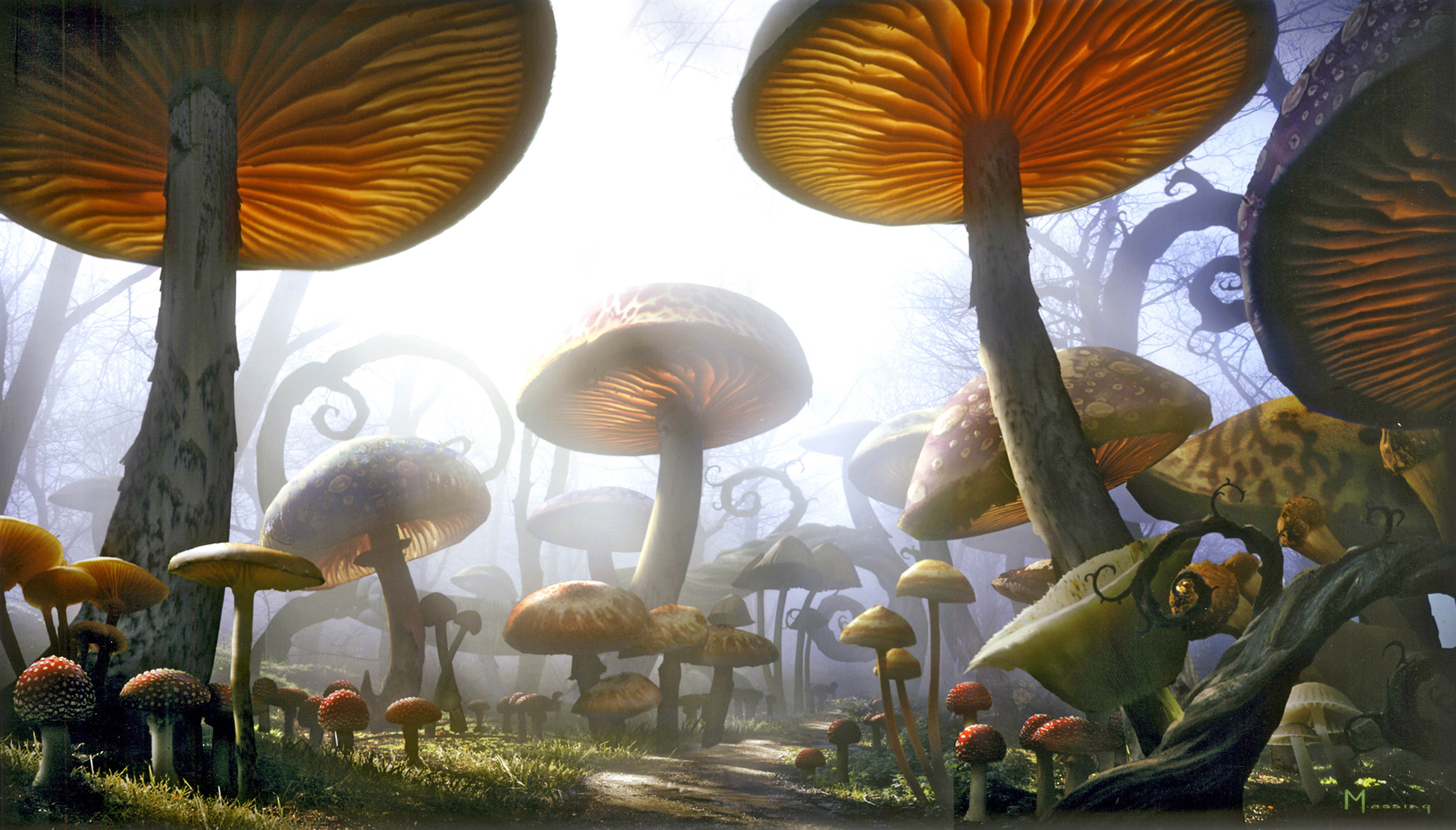
The 2010 version of Alice in Wonderland by Tim Burton takes the idea of enchanted woodland to a whole new level. This scene where the characters walk through a forest of gigantic mushrooms and twisted branches is truly magical.
http://movienews.ro/wp-content/uploads/2010/01/alice8.jpg
Alice in wonderland giant mushrooms accessed 11-10-2011 12-43pm

Another image from the 2010 version of Alice in Wonderland. This time it shows the character interacting with some giant flowers. The concept of giant talking flowers looking down on humans is interesting because of the role reversal. Alice in wonderland is a great film for weird and wonderful which gets my imagination going.
https://blogger.googleusercontent.com/img/b/R29vZ2xl/AVvXsEgiedfnR5ikeN7M7NfEuk1N_FbEZeS9ZcF1bHpIrVdvTVGX94i_5Td3znhRmNkRET41sjp3umatoyLhnfA2orR8fZyIq1ZIuhMnyY_xE4HLzJ0pOnqlRiPvJuvY2MBFVIC24scx-BZE3TU/s1600/alice_in_wonderland03.jpg
Alice in wonderland giant flowers accessed 11-10-2011 12-43pm

Again with the weird and wonderful is Coraline. Taking place in two worlds; the dull normal world and an alternate world, the alternate world is by far the more exciting with vivid colours, distorted perspectives and strange creatures. I love the weirdness of this films environments.
http://www.fondosparapantalla.com/albums/fondos-cine/Coraline-007.jpg
Coraline accessed 11-10-2011 12-46pm

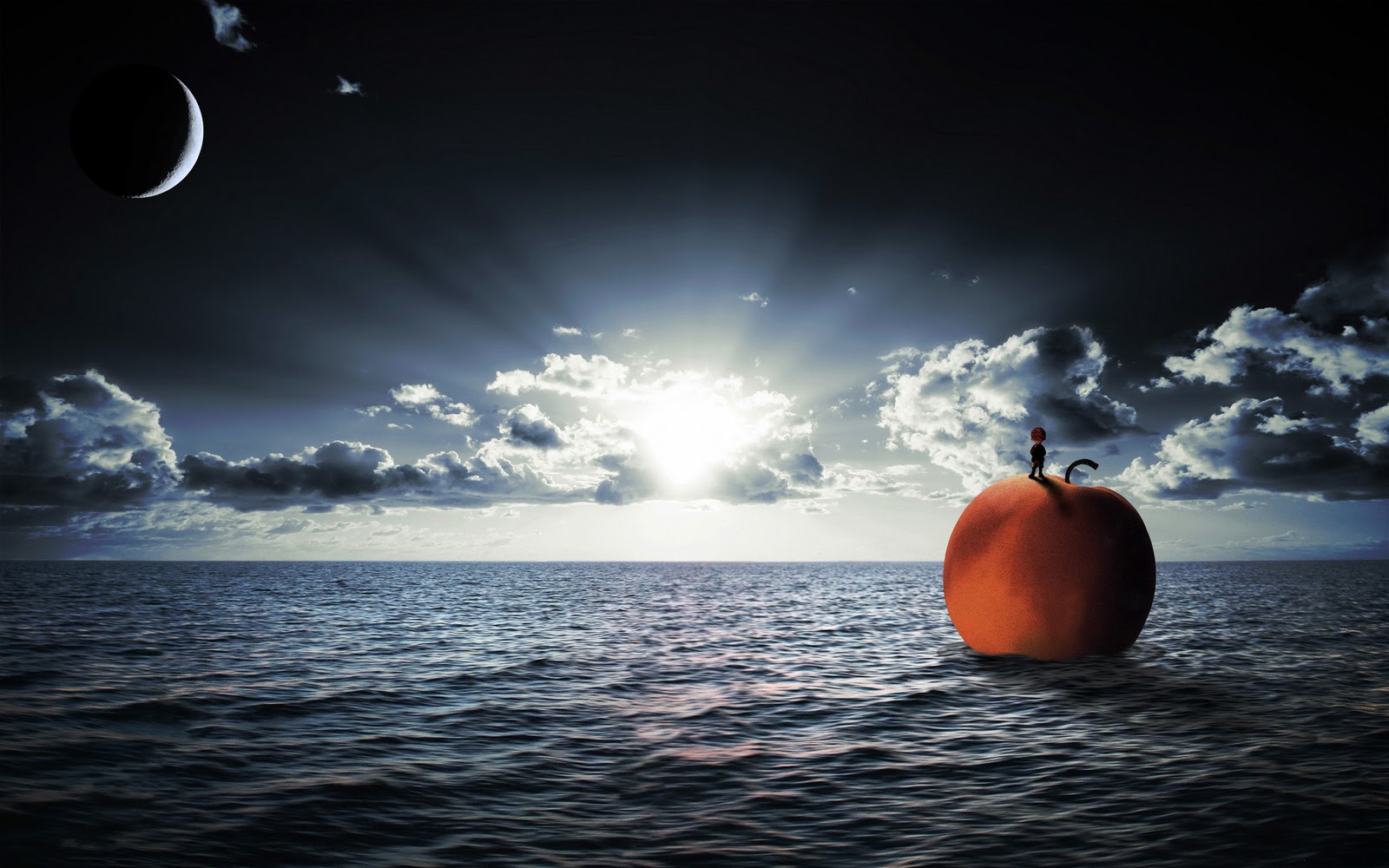
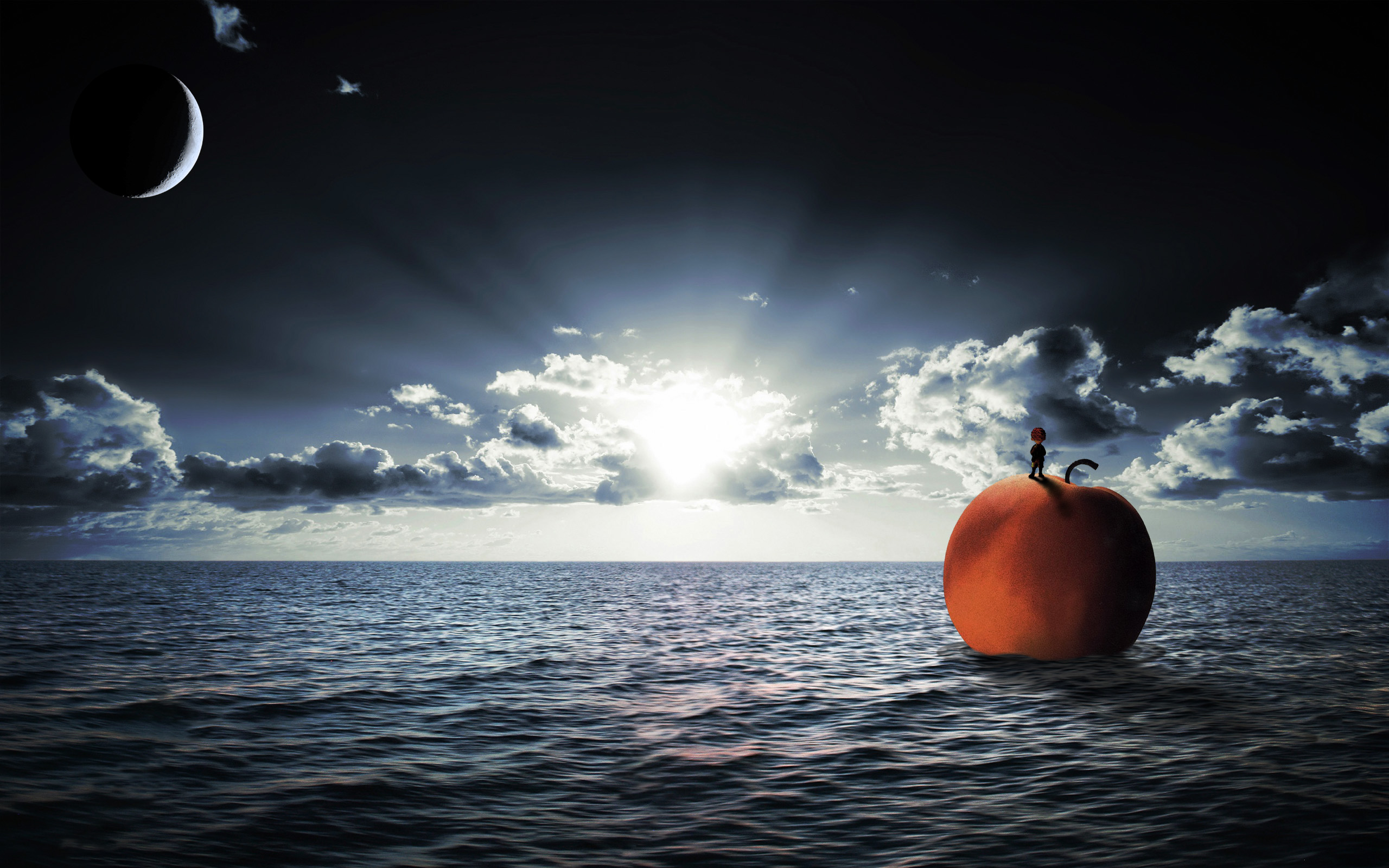
I love the character that James and the Giant Peach has. Its similar in style to Coraline in that it uses Stop Animation but advances in the industry have allowed Coraline to come out with a much crisper finish and higher quality of animation. Having said that however, James and the Giant Peach I feel comes alive because of its quirky roughness.
http://images.alphacoders.com/107/107143.jpg
James and the Giant Peach accessed 11-10-2011 12-44pm

Narnia: The Lion the Witch and the Wardrobe has some of the most magical environments and set designs I have seen. From mysterious English manors to frozen Ice palaces. Even I would love to run around the sets for this film!
http://jollyblogger.typepad.com/photos/uncategorized/narnia.jpg
Narnia: The Lion the Witch and the Wardrobe lampost accessed 11-10-2011 12-38pm

Nausicaa of the Vally of the Wind is an Anime with art direction Mitsuyoshi Nakamura. This animation has some beautiful visuals so that each scene almost becomes an epic painting.
http://download.minitokyo.net/Nausicaa.of.the.Valley.of.the.Wind.516772.jpg
Nausicca of the Velley of the Wind accessed 11-10-2011 12-45pm

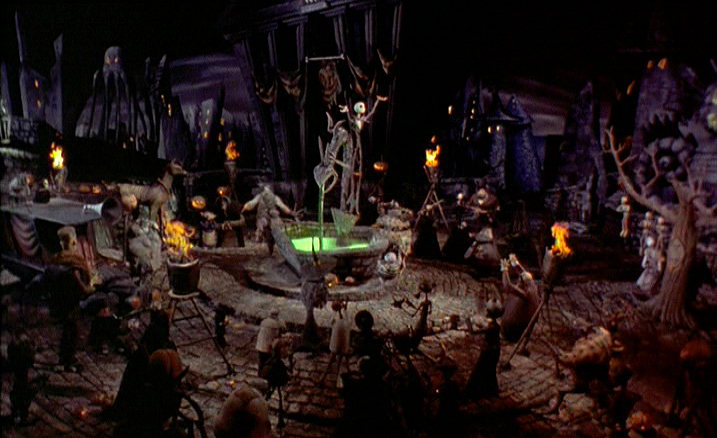
In my opinion Nightmare Before Christmas is Tim Burton's greatest film. The sets have so much character in their 'illustrated' style, the characters are so varied, the songs are amazing and overall it comes across as an excellent film.
http://images.fanpop.com/images/image_uploads/Halloween-Town-nightmare-before-christmas-226842_717_438.jpg
Nightmare Before Christmas Town Square accessed 11-10-2011 12-39pm

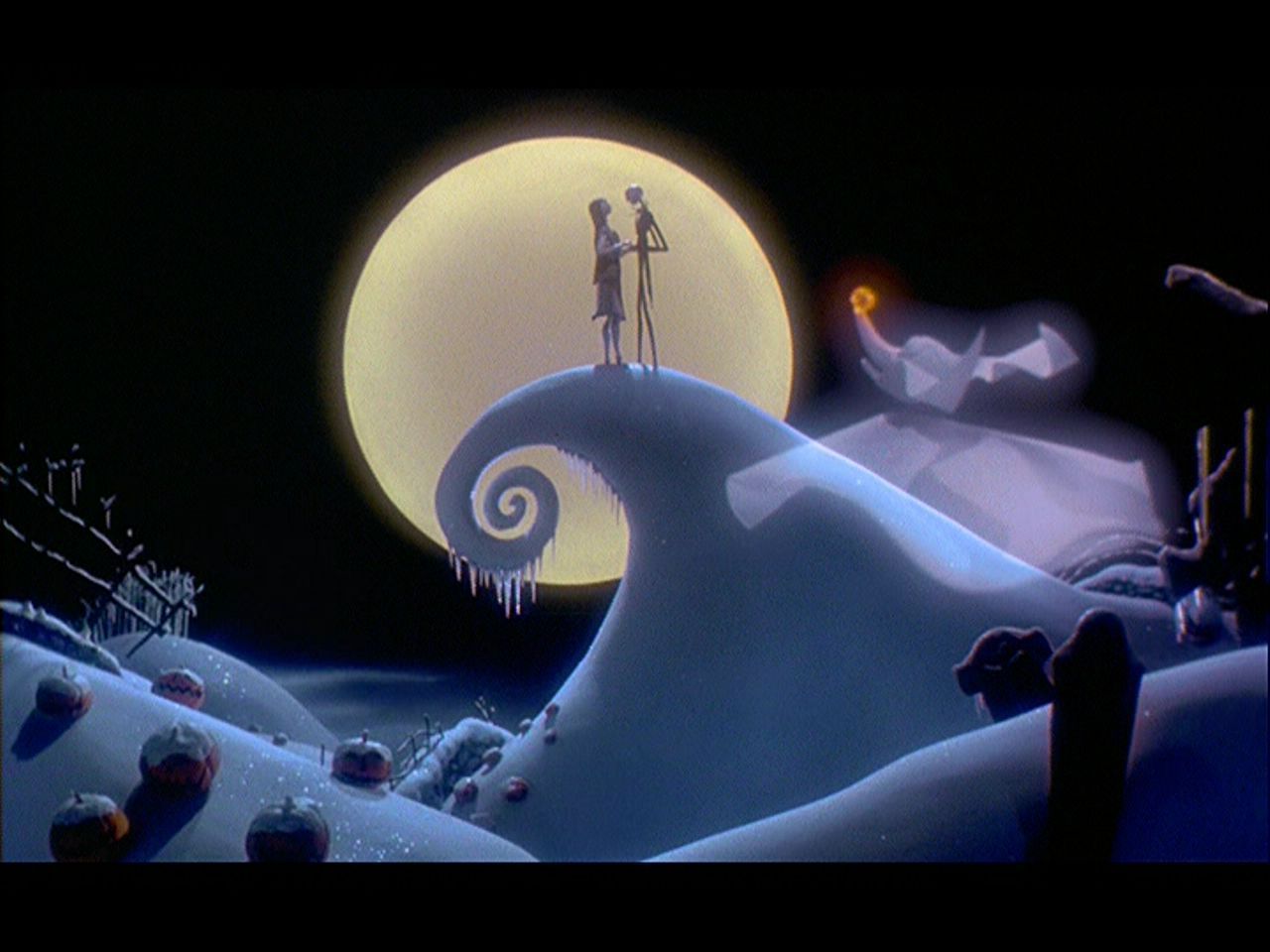
The iconic hill set from Nightmare Before Christmas sums up the entire styling concept for this film.
http://images2.fanpop.com/images/photos/3000000/The-Nightmare-Before-Christmas-nightmare-before-christmas-3012404-1280-960.jpg
Nightmare Before Christmas hill accessed 11-10-2011 12-39pm

This heavily stylised adaptation of Peter Pan would not look out of place in the animation section of a Blockbuster. Its strong colours, stylized environments and magical creatures make this film stand out for me above any other peter pan film.
http://www.artwallpapers.com/movie/data/peter_pan_movie/03/peter_pan_movie03.jpg
Peter Pan accessed 11-10-2011 12-40pm