Showing posts with label Scale. Show all posts

Friday, 15 June 2012

Work: Laser Cutting

I went to the laser cutter the other day to get my model bits cut for the Great Hall of Charn, and here is the evidence. Unfortunately the laser cutter had a problem so I’ve not been able to cut the long walls, so for now the bits are sat under my desk waiting to be assembled.


I had leftover space on my sheets so decided to have the bits cut for a model of the magical bell plinth that sits in the middle of the hall. I forgot to take into consideration the thickness of the wood so I had to assemble it a little differently then I planned but I think it still gets the design across.

Monday, 11 June 2012

Work: Charn- Window of the Gods NEW render

I previously uploaded a render of “the window of the gods” showing the stained glass detail. Now I’ve done a complete rendering of the whole wall that runs the length of the Great Hall. On this version of it I’ve overlaid the brick pattern and CAD brickwork to show greater detail. I think it works quite well to get across a basic understanding of the style and atmosphere.


Wednesday, 6 June 2012

Work: Charn- Window of the gods

I’ve been working the design for the Great Hall of Charn up in CAD...its proving most difficult! This has defiantly been the most stressful bit of design so far. Trying to get all the arches, pillars, windows, Hammer beams, Doorways etc to line up and look good almost defeated me but its nearly finished now so the end is in sight.

Along the outer walls of the Great Hall are 13 colossal windows, 21meters high by 4 meters wide. Here is a visualisation of the stained glass within the windows. They represent god-like women of Charn (possibly Jadis herself). Again I have kept with the colour scheme of Charn and have over stylised the gods into twisted representations of people. Scary but beautiful is the tagline for Charn.


Friday, 1 June 2012

Work: Charn- Stained Glass Windows

Here are some of the designs I’m working on at the moment. The Charn Great hall needs to be vast in size and epically lit, therefore I decided to incorporate a huge Stained Glass window on the back wall, enabling me to play with light and shadows throughout the room.

This is a quick render of the central clock motif. The rose in the centre represents Charn’s hatred and fear of nature and the organic. Clockwork has almost completely taken over in this world so the rose imprisoned in the glass is trying to represent this.


This is one of the smaller windows to the side of the central rose window. The bound hands represent the cruel nature of Charn and their use of slaves and hostages. The colours that run through Charn are reds, blacks and greys.


This is a half rendered visual of the back wall in its entirety. The size of the door indicates the scale. The broken clockwork on the wall represents the clockwork nature of the world and becomes a common motif throughout the Great Halls design.


More visuals of the great hall itself to come.


Tuesday, 1 May 2012

Work: Some initial designs


Now we are on the final stint towards the MA we have started focusing our work down, organising what we are going to be doing for the EXPO and our final work submission.

I started off by working up my Water Lettuce design a bit, adding more detail to the render, incorporating some feeding examples, leaf structure etc. The idea for these designs would be that they are conceptual studies, designed to show an overview of possible flora the director could populate any scene with, therefore a back story and contextual information needed to be developed. So with each plant I will add a brief description and relevant information to paint a visual, verbal and analytical picture of the plants.


After producing the Water Lettuce layout, I talked it over with Hannah and we both decided it wasn’t laid out quite how we wanted. It looks too scientific and doesn’t bring across the idea of clockwork, exploration or In-situ observations. So we sat down and had a big discussion about the book, layout and general guidelines on presentation. The following is the layout board we created:


We outlined example page layouts for every page eventuality so that the process of putting the pages together would be easier. We also designed any extra details we wanted like the Clockwork Page Runner and its colour variations, the page background etc and we got a quote from a book printing company and stuck samples down of the paper types etc.


This is the first page we put together using the new layout. It has some key images of the main plant, an example of the flower, an example of a creature Hannah designed to dwell in the tree and some sketch development images of the creature. The key written information is then added outlining purpose, botanical information, height, habitat etc I like this page layout, the background is effective but not too overpowering. I still think it needs a little bit of work as it still doesn’t sit comfortably on the page but we will sort that later.


This is an initial rendering of a fungus I designed for Narnia. I have written some background information for it if it needs it but this particular plant might just be put in the book as a standalone image rather than a fully developed layout page.


Since finishing these we have done many more images and designs but I will update those onto here later.


Friday, 24 February 2012

Work: Plant Adaptation- Clockwork Tree

I’ve been designing some fantasy plants again but this time I’ve been trying to stick with the Style Guide that we produced for the Magicians Nephew. I decided to design a Clockwork tree combining a Willow-style tree and some clockwork mechanisms.
Clockwork Tree sketch

I sketched out some Ideas and decided on the following design. I Scanned in my sketch and put it through Illustrator (which I’m still getting to grips with). I tried rendering it in Illustrator but I still can’t quite get the look I want using Illustrator so I put the illustrator outline into Photoshop to Digitally Paint.

Illustrator render

In the style guide we said we wanted the look to be quite dark and a little bit sinister so I rendered the tree using dark colours making it look creepier. I also decided to add a eerie glow as if a light source was hidden within the Willows branches- this added a bit of mystery to the design. My colour pallet comprised of mainly dark greys and cool blues.

Original Painting which printed too dark

Photoshop Render

On my screen the final image looked fine but when I printed it, it was very dark and hard to define so I had to go back and play with the levels. The dark nature of this tree would fit well in my project as part of Charn’s environment or even the outskirts of the Wood between the Worlds.

Second Render

I did a rendering variation of the tree but this time increasing the lightness and adding some blue glowing fireflies around the trees. This makes the tree look less sinister and more magical...I’m not sure this is quite suitable for Charn but maybe appropriate for Narnia.

Tuesday, 14 February 2012

Work: Plat adaptation- Water Lettuce

For my project I need to create as many plants, animals, landscapes, forests, geological formations etc as I can as examples of my own practice for answering my research question for the year. After my previous blog post Research: Weird looking Plants (18/01/12) looking at some examples of existing and very unusual looking plants and fungi, I started to sketch out some ideas. I had already learnt through writing this post that nature can look very bizarre so I felt I was free to create some quite wacky and unusual plants, but I decided for this first attempt to base the design on an existing plant- the Water Lettuce.

The Water Lettuce was first discovered in Africa but now can be found in nearly all tropical or subtropical waterways. The plants leaves float on the water’s surface with its roots submerged below the surface.

This is my adaptation of the common water lettuce. I have vastly increased its size from around 30cm to 30meters. I have also transformed the root structure from a few fibrous tendrils to thousands. The main adaptation I made to the plant is that it no longer dwells in water- the large pod found nestled in the centre of the leaf formation contains a helium-like gas which the plant naturally produces, allowing it to rise into the air becoming a floating land plant.

I have designed many more details for this plant as to how it feeds, reproduces and how humans could use it but I will add these at a later date when I have produced a visual to show them. For now here is the Digitally Painted plant (which still needs a name):


My friend Cassie Peng (cassiepeng.blogspot.com) has been teaching me how to do Digital Painting in Photoshop. There are still a few things I want to work on with this image like texturing etc but I will sort those out later. As a first draft I am really pleased with how this image turned out- thanks Cassie you’re a good teacher!

Friday, 4 November 2011

Initial Research: Mood Boards


"Research is to see what everybody else has seen, and to think what nobody else
has thought."
Albert Szent-Gyorgyi 


I started researching different stories I could use as my text for the year. I wanted a story that was suitable for a younger audience, filled with magic and adventure but still incorporating an element of darkness and mystery. Many of the chosen stories below take root in Mythology so are good subjects for fantasy related design.

The following images are mood boards I created showing themes from each story that could be incorporated into the design. They help show at a glance the overall atmosphere, locations and colour schemes for each story.

I will do further research into each story by making a list of possible sets that could be designed and any design constraints that the texts include within the story.


The Jabberwocky Mood Board

The Magician's Nephew Mood Board

Odd and the Frost Giants Mood Board


The Dream-Quest of the Unknown Kadath Mood Board


The Fairies Mood Board

The Masque of the Red Death Mood Board

The Tree Mood Board


Thursday, 27 October 2011

Film focus: The Nightmare Before Christmas

“An eerie world of imagination comes to life before our eyes”
The Making of Tim Burtons the Nightmare before Christmas


The Nightmare before Christmas is one of my favourite Disney films of all time, bringing stop motion animation into the limelight.


Part 1/3
The Making of Nightmare before Christmas 1/3 accessed 09-10-2011 12-28pm


Part 2/3

The Making of Nightmare before Christmas 2/3 accessed 09-10-2011 12-28pm


Part 3/3
The Making of Nightmare before Christmas 3/3 accessed 09-10-2011 12-28pm


It took 100 artists and technicians, 13 animators, over 100 camera operators, puppet makers, set builders and prop makers 3 years from start to finish to produce Tim Burton’s vision. Using 19 sound stages, 230 sets and hundreds of individual puppets.
Through the hard work of all these people the film won Best Fantasy Film from the Academy of Science Fiction, Fantasy & Horror Films, USA in 1994.

https://blogger.googleusercontent.com/img/b/R29vZ2xl/AVvXsEity069Q5K_Z9I8gw6y3w34edwrPrAFIfUfKEeKRhuMoXnuLn5RXucN9EAfhsOlNx_P_S9nZoSaHyTZD72oPQv-vMsCviiPN4vuIGwZmclADf1JsuutD8smN1peAa1VlsrUYid0wwAVJj8/s1600/ortho_shot+copy.jpg
Nightmare before christmas set sketch accessed 9-10-2011 6-38pm

The basis of the film came from Tim Burton’s original poem and artwork entitled The Nightmare Before Christmas. Using the artwork, the art department created characters, sets and locations that coincided with Tim’s original drawings. Tim Burton was head of the visual team so in one sense could take on the title Production Designer, though he never did.


http://animationarchive.net/Non%20Feature%20Films/The%20Nightmare%20Before%20Christmas/Concept%20Art/PDVD_168.jpg
Nightmare before christmas jack skelington accessed 9-10-2011 6-30pm

http://animationarchive.net/Non%20Feature%20Films/The%20Nightmare%20Before%20Christmas/Concept%20Art/PDVD_400.jpg
Nightmare before christmas gate concept accessed 9-10-2011 6-33pm

This film, like many, relied heavily on the use of storyboards in the Pre-production stage to save time and money by planning out the whole film before any filming began. Joseph Ranft was the Storyboard Supervisor and with his storyboarding team they drew scene after scene of storyboards, many scenes containing several shots, until they had the full film, accompanied by voice over’s and music. This method of planning a film before shooting allows the director to see his vision before any filming begins and allows any problems to be solved quickly saving hundreds of thousands of pounds.

http://s3files.core77.com/gallery/images/2008_NY_toy_34.JPG
Nightmare before christmas set model accessed 9-10-2011 6-36pm

The look of the film was taken from Tim’s original sketches- the entire set was covered in plaster and then etched into, creating cross hatching and texture so it looked like a living illustration.

Tim had a strong emphasis on colour and told the set designers that the only colours they could use in their colour pallet for Halloween Town were black, white and orange. This emphasis on narrow colour choices created the scary look of the town which fits perfectly with the overall theme.

Post-production techniques were also used to add snow, smoke, shadows, fire, electric bolts and floating ghosts.

http://home.comcast.net/~wardandandrea/treehouse.jpg
Nightmare before christmas set accessed 9-10-2011 6-36pm

Tuesday, 11 October 2011

My Inspiration


"A good design can feel like something you have always been waiting for without knowing."
Paul Huizinga


Here is a collection of images from various films which I really like the designs for, and when I watch them they spark my interest and imagination.


For me A Bugs Life is one long comical play on nature. I love the way they use natural objects as bits of furniture; whether its leaves as walls to mushrooms as lamps. It shows true creativity and imagination in environmental design.
http://90.146.8.18/bilderclient/PR_1999_bugslife_001_p.jpg
A bugs life accessed 11-10-2011 12-41pm


The 1951 version of Alice in Wonderland is by far my favourite adaptation of the classic novel. This image shows a scene in Tulgey wood. The trees join together creating pathways and walls throughout the forest and with their unusual colour variations they create a very interesting environment for the character to walk through. The idea of an enchanted forest is very interesting to me.
http://cf1.imgobject.com/backdrops/584/4d5fec6b5e73d60c5a002584/alice-in-wonderland-original.jpg
Alice in wonderland cartoon tolgy wood accessed 11-10-2011 12-42pm

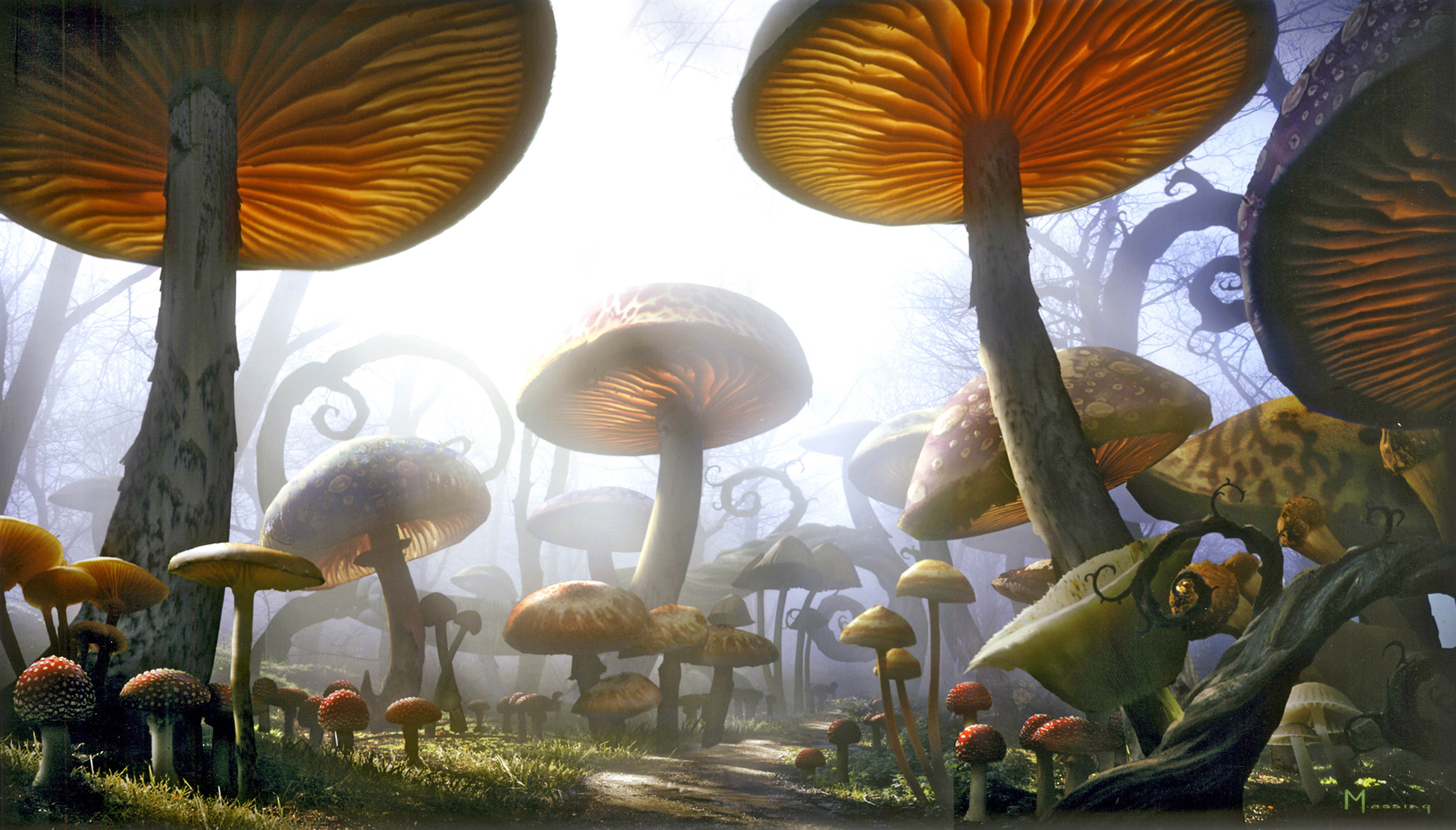
The 2010 version of Alice in Wonderland by Tim Burton takes the idea of enchanted woodland to a whole new level. This scene where the characters walk through a forest of gigantic mushrooms and twisted branches is truly magical.
http://movienews.ro/wp-content/uploads/2010/01/alice8.jpg
Alice in wonderland giant mushrooms accessed 11-10-2011 12-43pm

Another image from the 2010 version of Alice in Wonderland. This time it shows the character interacting with some giant flowers. The concept of giant talking flowers looking down on humans is interesting because of the role reversal. Alice in wonderland is a great film for weird and wonderful which gets my imagination going.
https://blogger.googleusercontent.com/img/b/R29vZ2xl/AVvXsEgiedfnR5ikeN7M7NfEuk1N_FbEZeS9ZcF1bHpIrVdvTVGX94i_5Td3znhRmNkRET41sjp3umatoyLhnfA2orR8fZyIq1ZIuhMnyY_xE4HLzJ0pOnqlRiPvJuvY2MBFVIC24scx-BZE3TU/s1600/alice_in_wonderland03.jpg
Alice in wonderland giant flowers accessed 11-10-2011 12-43pm

Again with the weird and wonderful is Coraline. Taking place in two worlds; the dull normal world and an alternate world, the alternate world is by far the more exciting with vivid colours, distorted perspectives and strange creatures. I love the weirdness of this films environments.
http://www.fondosparapantalla.com/albums/fondos-cine/Coraline-007.jpg
Coraline accessed 11-10-2011 12-46pm

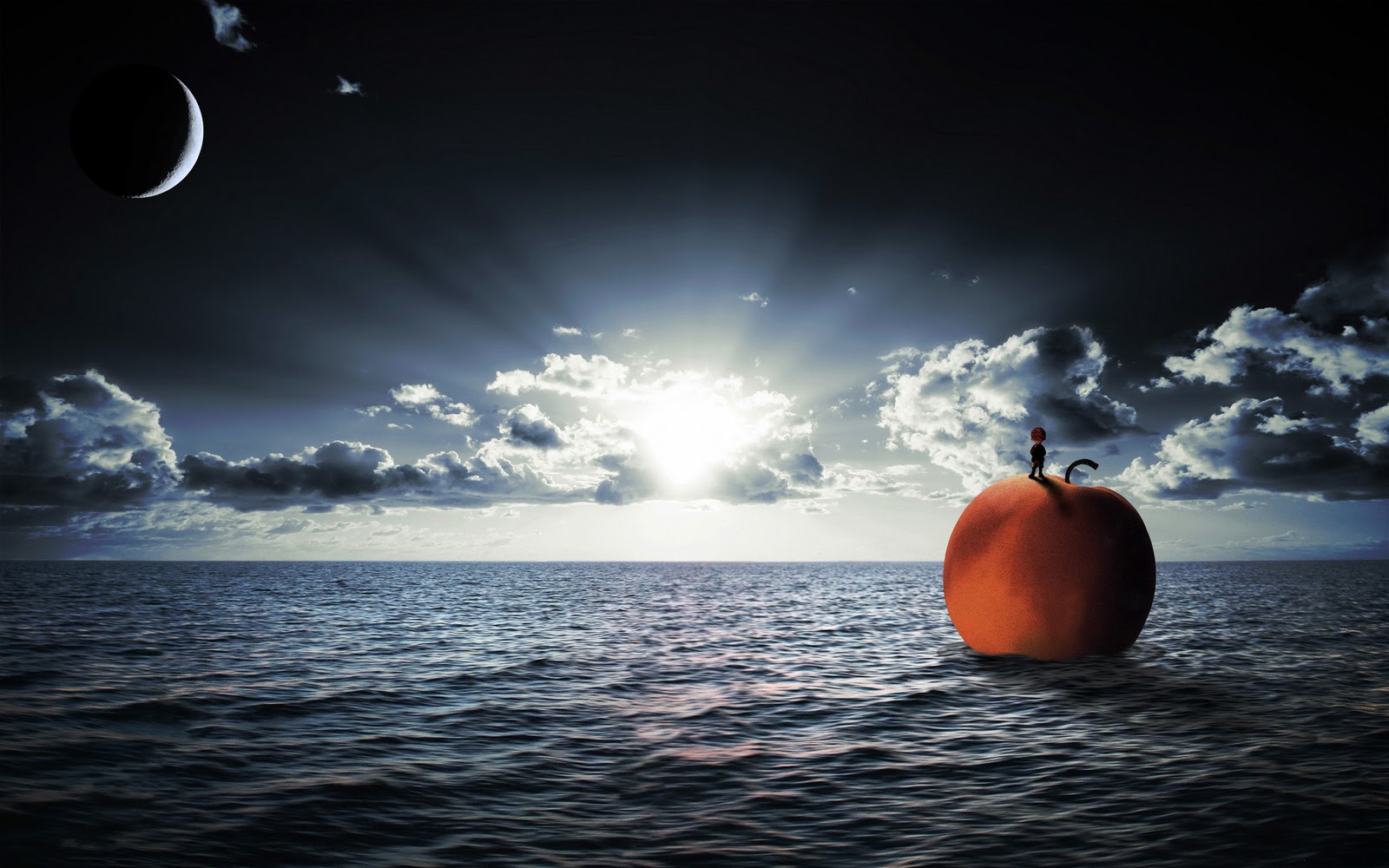
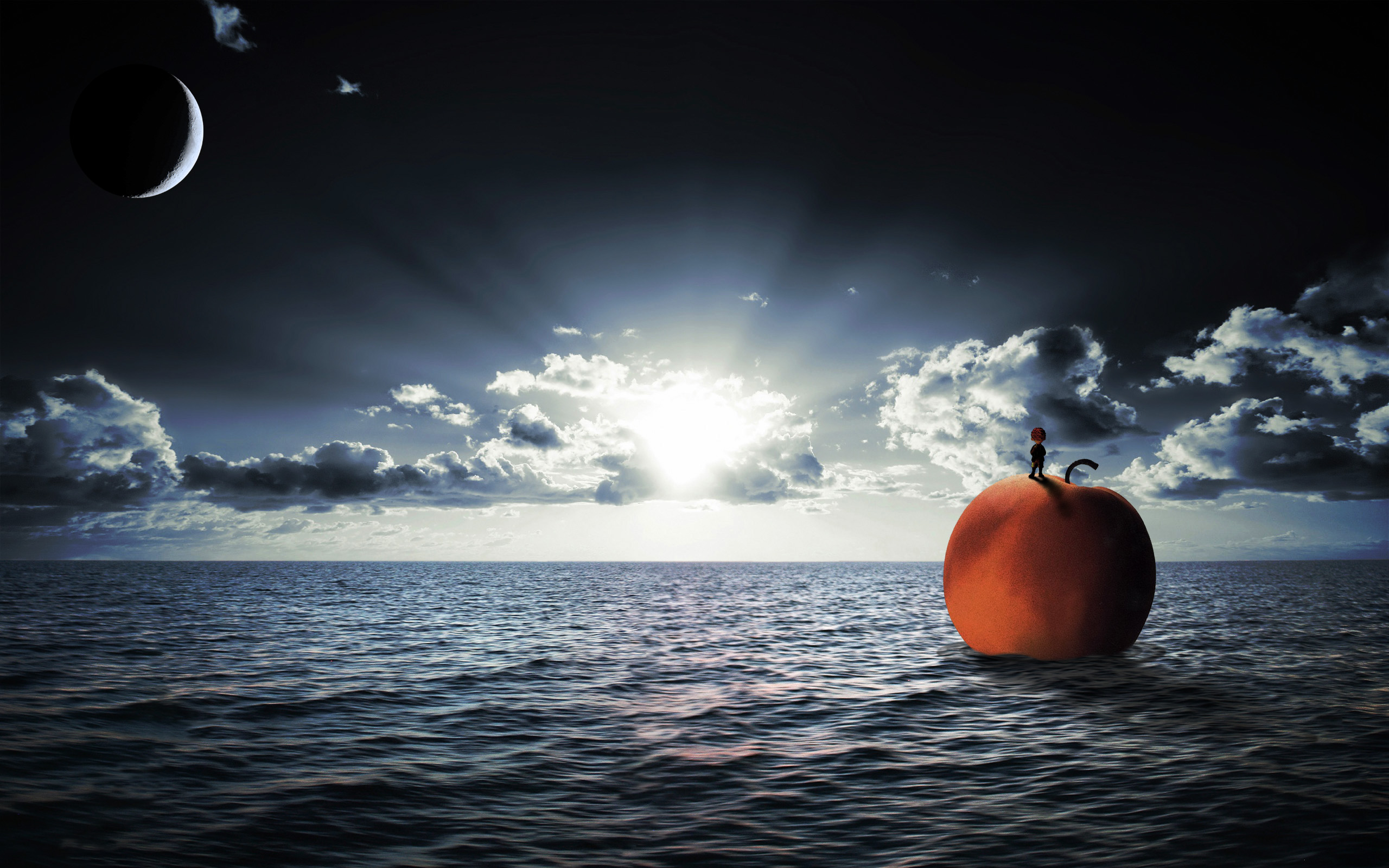
I love the character that James and the Giant Peach has. Its similar in style to Coraline in that it uses Stop Animation but advances in the industry have allowed Coraline to come out with a much crisper finish and higher quality of animation. Having said that however, James and the Giant Peach I feel comes alive because of its quirky roughness.
http://images.alphacoders.com/107/107143.jpg
James and the Giant Peach accessed 11-10-2011 12-44pm

Narnia: The Lion the Witch and the Wardrobe has some of the most magical environments and set designs I have seen. From mysterious English manors to frozen Ice palaces. Even I would love to run around the sets for this film!
http://jollyblogger.typepad.com/photos/uncategorized/narnia.jpg
Narnia: The Lion the Witch and the Wardrobe lampost accessed 11-10-2011 12-38pm

Nausicaa of the Vally of the Wind is an Anime with art direction Mitsuyoshi Nakamura. This animation has some beautiful visuals so that each scene almost becomes an epic painting.
http://download.minitokyo.net/Nausicaa.of.the.Valley.of.the.Wind.516772.jpg
Nausicca of the Velley of the Wind accessed 11-10-2011 12-45pm

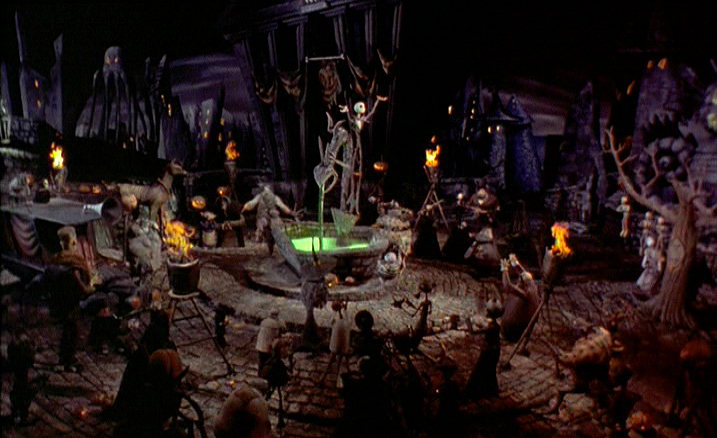
In my opinion Nightmare Before Christmas is Tim Burton's greatest film. The sets have so much character in their 'illustrated' style, the characters are so varied, the songs are amazing and overall it comes across as an excellent film.
http://images.fanpop.com/images/image_uploads/Halloween-Town-nightmare-before-christmas-226842_717_438.jpg
Nightmare Before Christmas Town Square accessed 11-10-2011 12-39pm

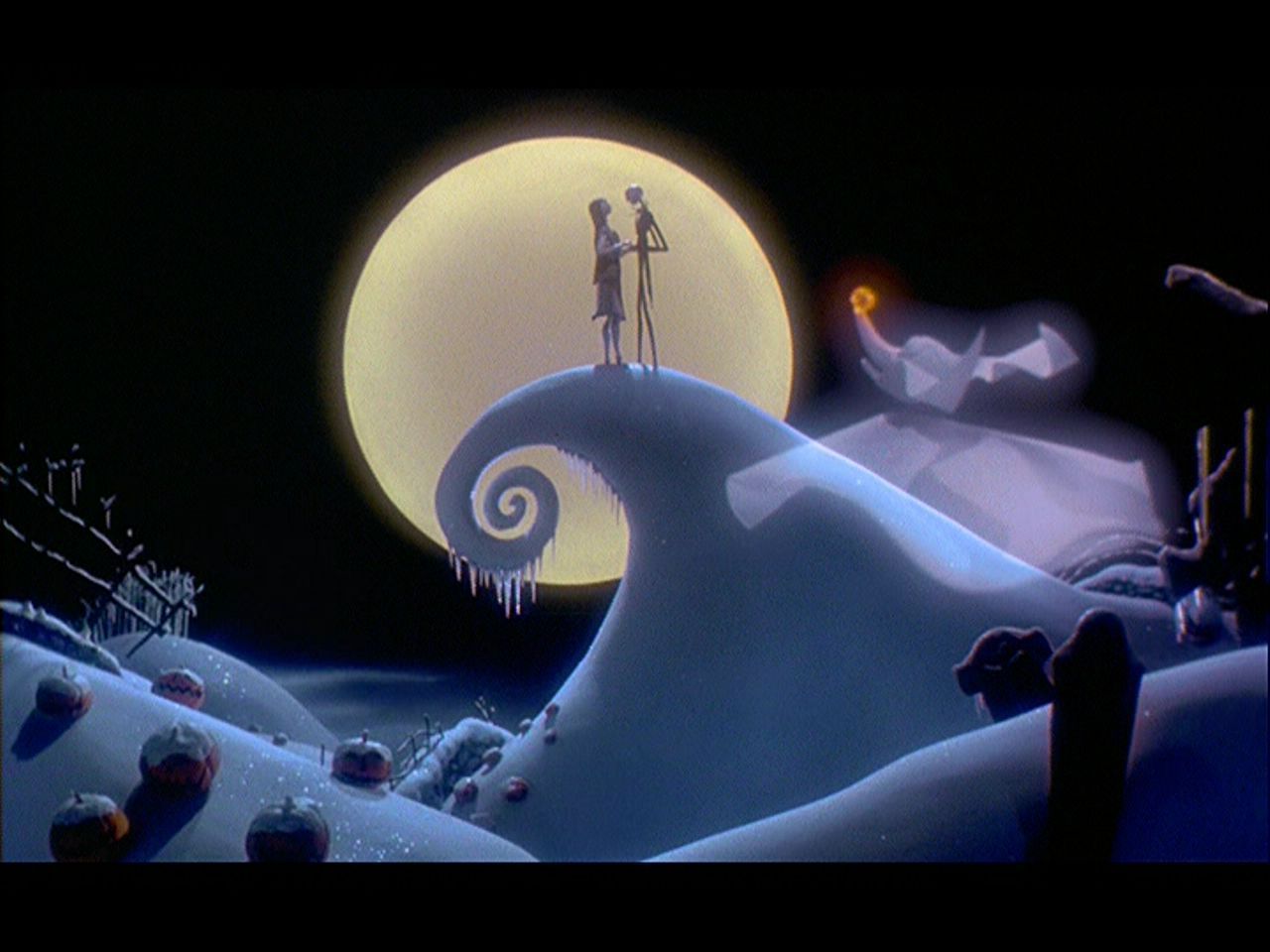
The iconic hill set from Nightmare Before Christmas sums up the entire styling concept for this film.
http://images2.fanpop.com/images/photos/3000000/The-Nightmare-Before-Christmas-nightmare-before-christmas-3012404-1280-960.jpg
Nightmare Before Christmas hill accessed 11-10-2011 12-39pm

This heavily stylised adaptation of Peter Pan would not look out of place in the animation section of a Blockbuster. Its strong colours, stylized environments and magical creatures make this film stand out for me above any other peter pan film.
http://www.artwallpapers.com/movie/data/peter_pan_movie/03/peter_pan_movie03.jpg
Peter Pan accessed 11-10-2011 12-40pm